Signs you may need a filling
- Sensitivity to sweet, hot or cold that goes away quickly
- Food catching in the same place between two teeth
- A rough edge, dark spot or hole you can feel with your tongue
- A chipped front tooth
Many cavities cause no symptoms at all and are found at a check-up. Some cavities are easier to treat when they are found early.
When a filling isn’t enough
If a tooth aches on its own, throbs at night, or hurts for minutes after something hot or cold, the nerve may be inflamed beyond repair. A filling alone won’t settle it, and the tooth will need root canal treatment or, if it can’t be saved, an extraction.
If more than about half of a tooth is missing, a filling has little to hold on to. A crown protects what is left.
What happens, visit by visit
-
Step 1: Checking the tooth
We look at the tooth and usually take a small X-ray to see how deep the decay goes. If it is close to the nerve, we’ll explain what that means before starting.
-
Step 2: Numbing
A numbing gel first, then a slow local anaesthetic injection. We check the tooth is properly numb before we begin; tell us if it isn’t.
-
Step 3: Removing the decay
The soft, decayed part is cleaned out and the cavity shaped. You’ll feel vibration and pressure, but not sharp pain.
-
Step 4: Filling and shaping
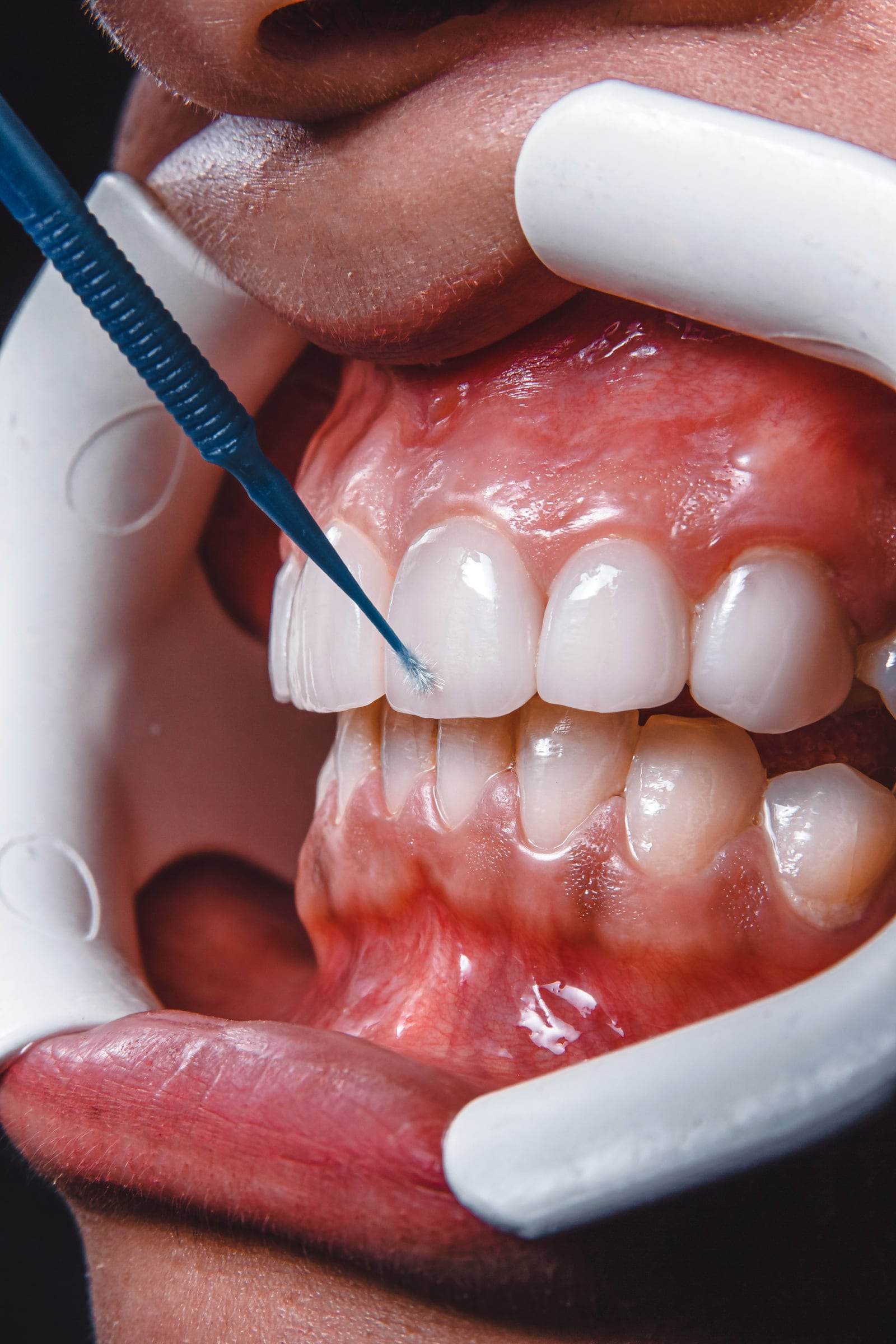
The filling is placed, set hard and then shaped and polished until your bite feels right.
Cost
A laser filling costs more than a simple one. The price also depends on the size of the filling and which tooth it is; you’ll have the exact figure after the examination, before we start.
| Treatment | Price |
|---|---|
| Simple filling, per tooth | At consultation Rs X,XXX |
| Laser filling, per tooth | At consultation Rs X,XXX |
| Small X-ray, per film Only when it will change the plan. | At consultation Rs X,XXX |
You’ll get a written estimate for your own treatment before anything starts. All fees and how to pay
Questions
Which type of filling do I need?
The choice depends on the tooth, its position and how much of it is missing. Dr Hamza will explain the suitable option and the price before treatment.
How long does a filling last?
Often many years. It depends on the size of the filling, how hard you bite and how well the edges are kept clean. Large fillings in back teeth are under more chewing pressure and may eventually need to be replaced or covered with a crown.
The tooth is sensitive after the filling. Is that normal?
Mild sensitivity to cold for a week or two is common, especially after a deep filling. If your bite feels high, or the tooth aches on its own or keeps you awake, call us. A quick adjustment often fixes it.
When can I eat?
Your dentist will tell you when you can eat normally, depending on the type of filling. Some fillings are set hard before you leave, while others need a few hours before you chew on them. Either way, wait until the numbness wears off so you don’t bite your cheek or lip.
Awaiting clinical review by Dr Hamza Akhlaq.
