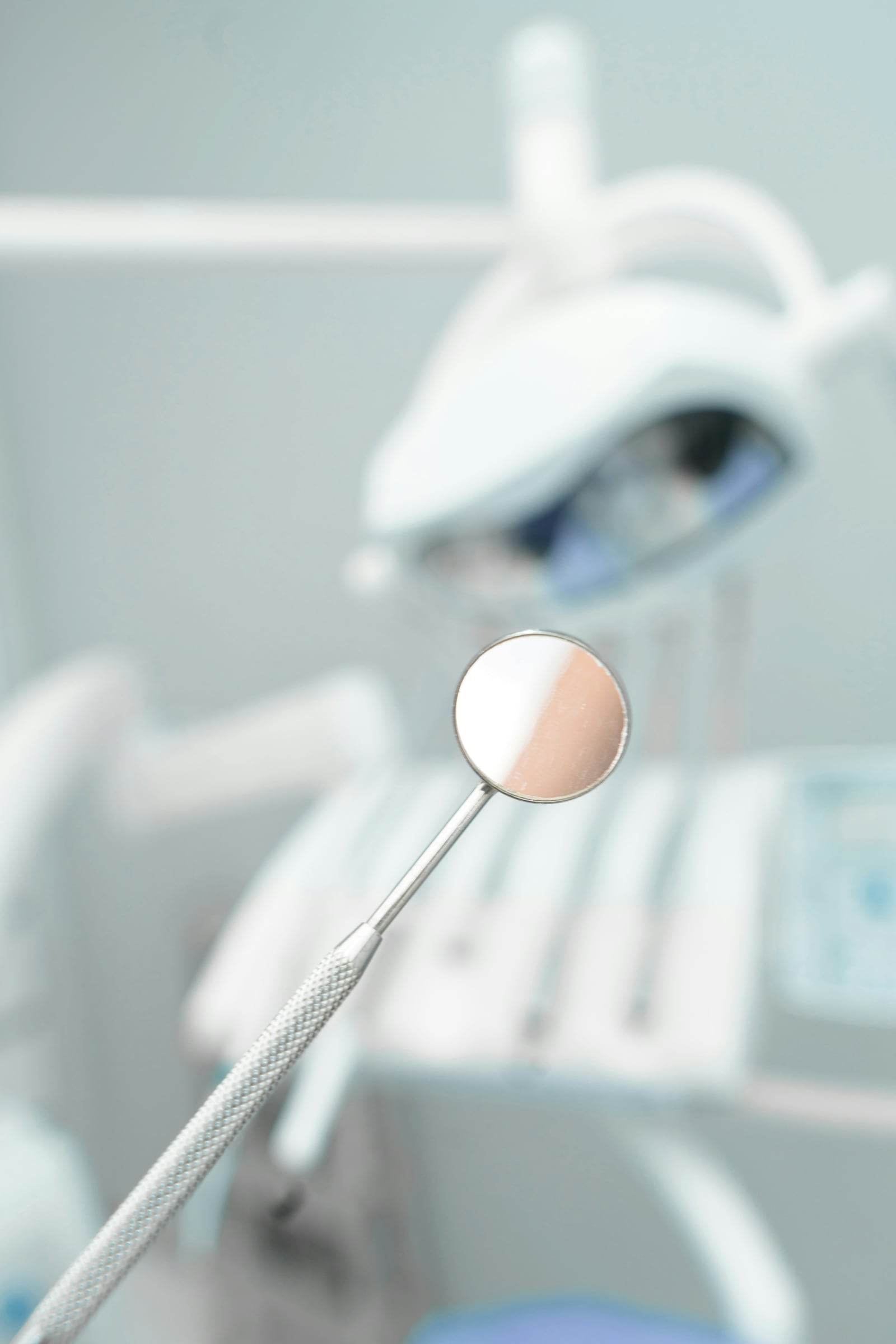
Why regular check-ups matter
Tooth decay doesn’t hurt until it is close to the nerve. By then a small filling has often turned into a root canal or an extraction. Gum disease is the same: usually painless until teeth start to feel loose. Treating a problem early is usually simpler than treating it after it has progressed.
What a scale and polish actually does
Plaque that isn’t brushed away hardens within days into tartar (also called calculus), which a toothbrush can’t remove. Tartar can irritate the gums and contribute to inflammation and bleeding. Scaling removes it above and just below the gum line. Polishing takes off surface stains from tea, paan, supari and smoking.
If you chew paan, supari, gutka or naswar, please tell Dr Hamza. These can affect the tissues inside the mouth, so it is important for us to know.
Looking after your teeth between visits
- Brush twice a day for two minutes with a fluoride toothpaste. Spit, but don’t rinse, so the fluoride stays on your teeth.
- Clean between your teeth once a day with floss or small interdental brushes.
- Keep sugary snacks and drinks, including sweet tea, to mealtimes rather than sipping through the day.
- A miswak is fine alongside a toothbrush, but it doesn’t replace fluoride toothpaste.
What happens, visit by visit
-
Step 1: Questions first
We ask about any pain, sensitivity or bleeding, your medical history and the medicines you take. Some, such as blood thinners, change how we treat you.
-
Step 2: Examination
Dr Hamza checks each tooth, your gums, tongue, cheeks and bite. He tells you what he sees as he goes, and shows you in a mirror or on a photo where it helps.
-
Step 3: X-rays, if they’ll help
X-rays are taken when they are needed to check something that cannot be seen during the examination.
-
Step 4: Scale and polish
An ultrasonic scaler loosens tartar, then hand instruments and a polish finish the job. It can feel scratchy and sensitive spots may twinge, but it shouldn’t hurt.
-
Step 5: Your plan
We’ll explain any problems we find and which treatments are needed.
Cost
The consultation fee covers the examination and a written plan. Scaling is charged separately, and X-rays only if they are needed.
| Treatment | Price |
|---|---|
| Consultation and examination Initial consultation and examination. | Rs 500 |
| Scaling and polishing | At consultation Rs X,XXX |
| Small X-ray, per film Only when it will change the plan. | At consultation Rs X,XXX |
You’ll get a written estimate for your own treatment before anything starts. All fees and how to pay
Questions
How often should I have a check-up?
For most adults, every six to twelve months. If you have gum disease or a lot of fillings, or you’re pregnant, we may suggest more often. Dr Hamza will recommend how often you should come based on your teeth and gums.
My gums bleed when I brush. Should I avoid brushing there?
No. Bleeding usually means the gums are inflamed by plaque sitting at the gum line. Keep brushing gently and book a check-up; a professional clean and better cleaning between the teeth normally settle it within a couple of weeks.
Will scaling damage my enamel or loosen my teeth?
No. Scaling removes deposits sitting on the tooth, not the tooth itself. Teeth can feel slightly gappy afterwards where heavy tartar was bridging them, but the gums tighten again as they heal.
Does scaling make teeth sensitive?
Sometimes, for a few days, especially where tartar had been covering the root surface. A sensitive toothpaste helps, and it settles on its own.
Awaiting clinical review by Dr Hamza Akhlaq.
